Simple Maintenance Tips to Reduce Roof Repairs in Succasunna NJ
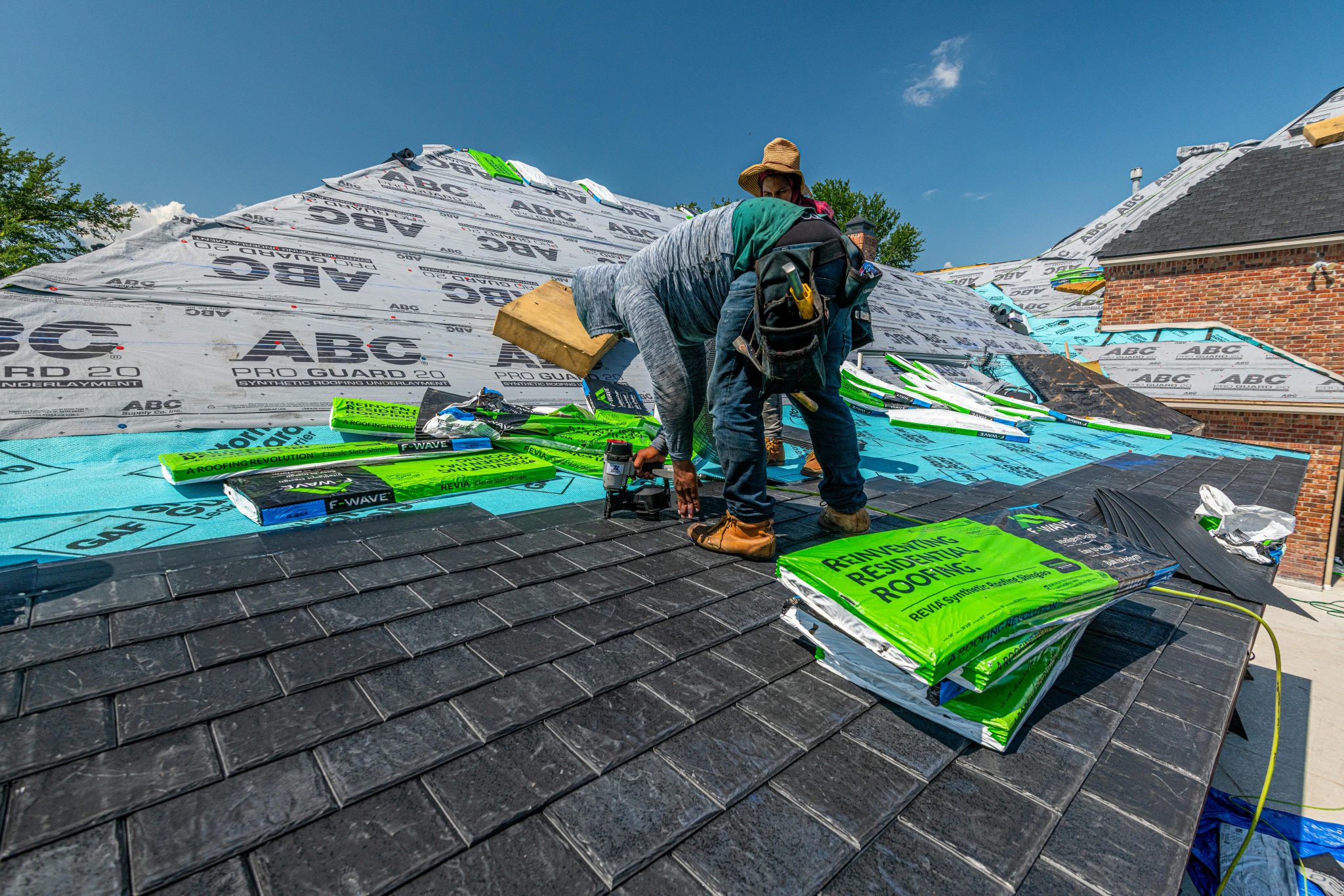

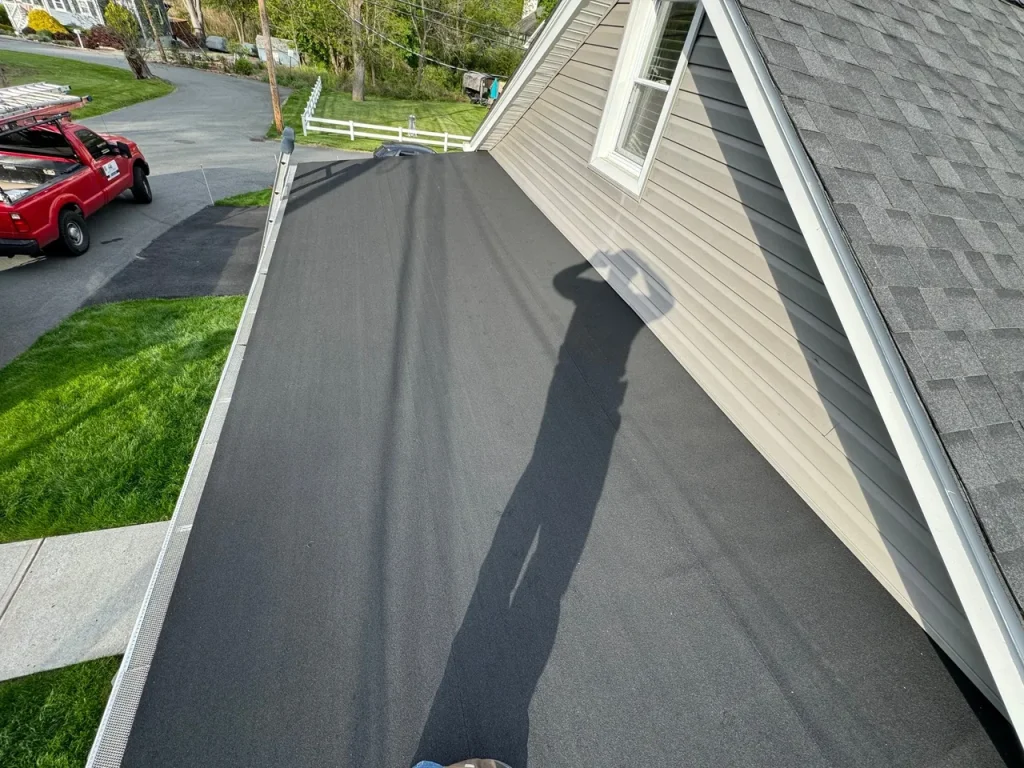
A roof rarely fails all at once. More often, it gives small warnings long before a homeowner notices a stain on the ceiling or a drip during a hard rain. In a place like Succasunna, where roofs deal with snow, ice, spring downpours, humid summers, and falling leaves in autumn, those warnings matter. A loose shingle, a clogged gutter, or a bit of lifted flashing can sit quietly for months, then turn into a repair call at the worst possible time.
That pattern is why routine attention makes such a difference. Most homeowners do not need to become roofing experts, but they do need to know where small issues start and how to keep them from growing. The goal is not perfection. It is reducing the chance that a minor maintenance item turns into structural damage, interior leaks, mold, insulation loss, or premature replacement.
When people search for Roof Repairs Succasunna NJ, they are often already dealing with active trouble. Water is inside, shingles are in the yard, or an ice dam has backed meltwater beneath the roofing. By that point, the repair itself may still be straightforward, but the damage around it can be more expensive than the original defect. Simple maintenance helps move the odds in your favor.
Why roofs in Succasunna need a little extra attention
North Jersey weather asks a lot from roofing materials. Winter can produce freeze-thaw cycles that exploit tiny gaps. Snow may sit on shaded sections while sunnier areas thaw, creating uneven moisture movement. In spring, heavy rain tests flashing, valleys, and drainage paths. Summer heat bakes shingles and accelerates granule loss on older roofs. Then fall drops leaves and small branches that clog gutters and trap moisture.
Local tree cover is another factor. Many homes in and around Succasunna have mature trees nearby, which look great and help with shade, but they also increase the amount of organic debris landing on the roof. Wet leaves left in valleys hold moisture against shingles. Small twigs can collect near flashing details. Overhanging limbs can scrape roofing surfaces in wind, especially during storms.
Roof age matters too. A ten-year-old roof and a twenty-five-year-old roof do not respond the same way to the same weather. Newer roofing systems may handle a rough season with little to show for it. Older roofs, especially those that have seen prior repairs or ventilation issues, are less forgiving. What would be harmless on one home can become a leak path on another.
The most valuable habit is simply looking
The easiest maintenance step is also the one homeowners skip most often. A roof should be observed regularly, not only after a leak appears. That does not mean climbing up there every month. In fact, unnecessary foot traffic can do more harm than good, especially on aging shingles. It means taking a few minutes from the ground, from a deck, or from an upper-story window to notice changes.
Look for anything that seems different from the last season. A patch that appears darker than the surrounding roof can suggest trapped moisture or missing granules. A line that no longer looks straight may indicate lifted shingles or flashing. Debris collecting in one recurring area may point to a drainage problem. Even something as subtle as shingle pieces in the gutter can be an early sign that the roof is wearing faster than expected.
One of the more useful habits I recommend is tying roof checks to the calendar rather than to symptoms. Early spring and late fall are ideal times. Spring reveals what winter did. Fall is the chance to clear drainage paths before freezing weather returns. Then, after any significant windstorm, it is worth another walk around the house.
Gutters do more than most people realize
When homeowners think about Roof Repairs, they usually picture shingles. In practice, gutters are often just as important. A roof is not only a water-shedding surface. It is part of a drainage system. If water cannot leave efficiently, it starts finding ways into places it should never go.
Clogged gutters force water over the front edge, behind the back edge, or into fascia and soffit areas. During colder weather, that trapped water can freeze and contribute to ice buildup. Once ice forms along the eaves, melting snow from higher on the roof may back up underneath shingles. That is how a relatively simple gutter maintenance issue can evolve into interior damage.
Gutters in heavily wooded neighborhoods may need cleaning more often than homeowners expect. Once a year is enough for some properties, but many homes benefit from twice-yearly service, and some need attention even more frequently during the fall. The right schedule depends on tree coverage, roof pitch, and how quickly downspouts clog.
A clean gutter system should also be properly secured. Loose hangers, sections that pitch the wrong way, and downspouts that dump water too close to the foundation all deserve attention. Water management is a whole-house issue. If the roof sheds properly but the drainage system fails, the result can still be expensive.
Branches overhead are not harmless
A branch does not need to fall on a roof to cause damage. Repeated contact from smaller limbs can slowly wear away shingle surfaces, particularly during windy weather. That abrasion removes protective granules and shortens the life of the material. It can also break the seal on tabs over time.
There is also a moisture issue. Roof areas that stay shaded and covered by overhanging branches dry more slowly after rain. Longer drying times encourage algae streaking, moss growth, and general surface wear. In valleys and near roof penetrations, damp debris can linger even longer.
Pruning should be done thoughtfully, not aggressively. You want clearance without creating unnecessary stress on the tree or exposing the home to excessive summer heat. The exact distance depends on the species, branch size, and roof layout, but if limbs are touching the roof or hanging close enough to scrape during storms, they should be evaluated. A qualified arborist is often worth calling for larger trees, especially if branches extend over power lines or multiple roof planes.
Small flashing issues create large repair bills
Shingles get most of the attention, but flashing is often where leaks begin. Flashing is installed around chimneys, vent pipes, skylights, wall intersections, and valleys to direct water away from vulnerable joints. If it loosens, rusts, cracks, or was poorly installed in the first place, water can enter while the shingles still look mostly fine.
This is one reason a roof can appear healthy from the yard and still leak during certain storms. Wind-driven rain behaves differently from ordinary rainfall. It can force water into weak points around penetrations and sidewalls that stay dry under normal conditions.
Homeowners rarely need to diagnose flashing details themselves, but they should know the common warning signs. Water stains that appear near fireplaces, bathroom exhausts, or upper wall lines often relate to flashing rather than broad field shingle failure. The same goes for recurring leaks that seem to show up only in a specific wind direction.
If your roof has any skylights, this section matters even more. Skylights can perform well for years, but their surrounding components need to remain watertight. Sealants dry out. Adjacent materials move. A quick inspection can catch deterioration before it opens a path for water.
Attic conditions tell the truth
A surprising amount of roof trouble is actually ventilation or moisture trouble in disguise. The attic often reveals this earlier than the living space does. If you have safe access, take a look several times a year, especially after heavy rain or a prolonged cold spell.
A healthy attic should not smell damp or feel unusually humid. The wood framing should not show fresh water marks, dark staining, or frost buildup in winter. Insulation should be dry and evenly distributed. Nail tips protruding through the sheathing may show a bit of rust over time, but widespread moisture signs are a warning.
Poor ventilation can overheat shingles in summer and trap humid air in winter. Bathroom fans venting into the attic instead of outside are another frequent problem. So are disconnected ducts, blocked soffit vents, and insulation packed too tightly against intake openings. These are not cosmetic issues. They affect roof longevity and can contribute to the need for early Roof Repairs.
I have seen homeowners replace sections of roofing when the real culprit was attic moisture condensing under the deck. The new materials bought some time, but the same stains returned because the airflow problem remained. A good roofer pays attention to what is happening below the roofline, not just above it.
Moss, algae, and streaking should not be ignored
Dark streaks on shingles are often more than a visual nuisance. In many cases they come from algae growth, while thicker green buildup may be moss or lichen. On shaded roofs, especially where moisture lingers, these organisms can hold water against the surface and accelerate wear.
The mistake many homeowners make is treating the roof like a patio or siding surface. Pressure washing asphalt shingles is usually too harsh and can dislodge protective granules. That shortens the roof’s life. If cleaning is needed, the method should be appropriate for the roofing material and carried out carefully.
Sometimes the right answer is not immediate cleaning but fixing the conditions that allow growth in the first place. Trimming branches, improving sunlight exposure where practical, and keeping debris from collecting can make a noticeable difference. On an older roof, though, widespread discoloration may simply be one sign that the system is nearing the end of its useful life.
The value of acting early after storms
After a strong wind or a storm with hail, waiting too long can complicate otherwise manageable repairs. One missing shingle exposes the layer beneath it. A lifted tab can break its seal and allow repeated water entry. A bent piece of metal flashing may not leak during the next light rain, but it might during the next nor'easter.
The challenge is that storm damage is not always obvious from the ground. Sometimes what matters is not what blew off, but what shifted slightly out of place. If you suspect damage, especially if neighbors have visible roofing issues after the same event, scheduling a professional inspection is a sensible move.
This matters for documentation as well. If insurance becomes part of the discussion, earlier records and prompt inspection can help establish what happened and when. Even when a claim is not involved, clear photos and a written assessment give homeowners a better basis for deciding whether to repair now or monitor for a short period.
A few maintenance tasks that pay off year after year
The highest-return roof maintenance tasks are not glamorous, but they consistently reduce preventable repairs.
- Clean gutters and downspouts before winter and again after heavy leaf drop.
- Remove roof debris, especially from valleys and behind chimneys or dormers.
- Trim branches that contact or closely overhang the roof surface.
- Check attic areas for damp insulation, staining, or signs of poor ventilation.
- Schedule a professional roof inspection every few years, or sooner after major storms.
That short list catches a large share of the small conditions that later turn into leaks.
When a DIY approach makes sense, and when it does not
Homeowners can handle some roof-related maintenance safely from the ground or from a ladder used for gutter work, assuming proper caution and comfort with the task. Clearing downspouts, watching for visible shingle loss, checking ceilings for stains, and monitoring the attic are all reasonable.
Actually walking on the roof is another matter. Steep slopes, aging shingles, wet surfaces, frost, and brittle materials create risks both to the person and to the roof itself. Even a low-slope section can be deceptive when covered with leaves or morning dew. Many repair calls begin with a homeowner trying to fix what looked like a quick issue and breaking surrounding shingles in the process.
There is also a judgment element. A small exposed nail may seem easy to seal, but if the surrounding area shows movement, the real problem may involve flashing or substrate deterioration. Temporary patches can be useful in emergencies, but they often hide symptoms without solving causes.
For most homes, the practical middle ground is this: homeowners monitor, clean what they can safely clean, and call a professional when anything looks out of pattern. That approach keeps costs controlled without turning the roof into a do-it-yourself experiment.
Seasonal timing matters more than people think
Maintenance done at the wrong time can be less effective, or more difficult than necessary. Late fall is the key window for cleaning leaves from gutters and valleys before freeze-thaw conditions arrive. Spring is the best time to assess winter wear, particularly around eaves, flashing, and attic moisture. Summer is a good time for ventilation corrections, since poor airflow becomes obvious during heat. Storm season calls for quick post-event checks, even if only from the ground.
There is also a pricing and scheduling reality. Roofing companies get busy fast after severe weather and during peak replacement season. If you wait until your issue becomes urgent, your options may narrow. Preventive service in quieter periods is often easier to schedule and easier on the budget.
For homeowners planning to sell within the next few years, timing matters in another way. A roof that has been routinely maintained tends to produce fewer surprises during buyer inspections. Even if the roof is not new, evidence of care can make a significant difference in negotiations.
What often gets missed on older roofs
Older roofs tend to accumulate layers of small compromises. A repair was made around a vent ten years ago. Gutter overflow stained fascia but never seemed urgent. A few shingles were replaced after a wind event, though the surrounding materials were already aging. None of those items alone guarantees trouble. Together, they increase unpredictability.
That is why maintenance https://damienbaba175.yousher.com/practical-advice-for-scheduling-roof-repairs-in-succasunna-nj on an older roof should be less casual, not more. Some homeowners assume that because replacement is eventually coming, maintenance no longer matters. In practice, the opposite is true. If you hope to get even two or three more solid years out of an aging roof, routine care becomes essential. The cost of preserving those remaining years is usually much lower than the cost of accelerated interior damage.
Aging roofs also make leak tracing more difficult. Water can travel along underlayment, decking, rafters, or insulation before it appears indoors. The stain in the bedroom may not be directly beneath the failed section. That is another reason to address small exterior concerns before they become interior mysteries.
Choosing professional help before it becomes an emergency
Not every roof issue requires immediate repair, but every roof issue deserves an informed opinion. A good local contractor will not just point at a symptom. They will explain whether the problem is isolated, weather-related, installation-related, or a sign of broader wear. They should also be able to distinguish between maintenance needs and full replacement needs.
For Roof Repairs Succasunna NJ homeowners often benefit from working with companies that understand local weather patterns, common home styles, and the way mature trees affect roof performance in the area. Local familiarity does not replace craftsmanship, but it does improve judgment. A contractor who has seen the same freeze-thaw patterns, gutter issues, and ventilation mistakes across similar neighborhoods can usually diagnose faster and more accurately.
When you do bring someone out, ask practical questions. Is the issue localized or system-wide? Are there signs of moisture in the attic? Is ventilation contributing to the wear? How much useful life remains if you handle the current repairs? Clear answers matter more than dramatic language.
A well-maintained roof usually looks uneventful
That is the point. Good roof care is quiet. No mystery stains, no last-minute buckets, no panic call during a holiday storm. Just a system that sheds water, dries out properly, and lasts as long as the materials reasonably can.
Homeowners sometimes underestimate how much of roof longevity comes down to routine housekeeping and timely observation. Yet the roofs that hold up best over the years are often not the ones that had the fanciest materials. They are the ones where debris was removed, drainage stayed open, attic moisture was addressed, and small defects were handled before they spread.
In Succasunna, weather will test every roof eventually. Maintenance cannot stop storms, snow, or age. What it can do is prevent neglect from adding its own damage to the list. And that alone can save a homeowner a great deal of money, disruption, and frustration over the life of the home.
Royalty Exteriors
Address: 151 NJ-10 Ste 103A, Succasunna, NJ 07876
Phone number: +19733337234
FAQ About Roof Repairs Succasunna NJ
How much should I pay for roof repairs?
Most homeowners pay an average of $900 to $1,200 for roof repairs, with typical projects ranging from $150 to $3,000+ depending on the severity of the damage.
What are the most common roof repairs?
The most common roof repair is fixing water leaks by replacing damaged, cracked, or missing asphalt shingles and sealing compromised flashing.
Does homeowners insurance pay for roof repairs?
Homeowners insurance pays for roof repairs only if the damage is sudden and accidental, such as from a storm, hail, or a falling tree.